
How Private Label Manufacturing Helps You Stay Ahead of Beauty Trends
 The Entrepreneur’s Challenge
You have a vision for a beauty brand that stands out. You see a gap in the market, a specific customer need, or an emerging trend, like blue light protection or waterless formulations, that’s being ignored. But the path from idea to shelf is daunting. Formulation chemistry, regulatory compliance, and massive minimum order quantities (MOQs) often stop great ideas in their tracks. How do you move fast enough to capitalize on a trend before it fades? The most strategic answer is private label manufacturing.
Why Speed to Market is Your Greatest Advantage
In beauty, trends can define a generation of products or disappear in a season. The ability to act quickly is not just an advantage; it’s a necessity for survival and growth.
The “Skintellectual” Consumer: Modern buyers are educated. They read ingredient lists, research actives like niacinamide and bakuchiol, and demand products that are as effective as they are clean and sustainable [1].
The Demand for Hybrids: Consumers now expect multi-functional products. They want a serum that moisturizes and primes or a foundation that covers and treats. This “skinification” of everything is a dominant, profitable trend [2].
The Value of Authenticity: Customers crave a connection. They are loyal to brands with a story and a purpose, often more than to large, impersonal corporations [3].
Developing these complex, trend-driven products in-house is a monumental, expensive task. It requires a team of chemists, regulatory expertise, and a massive upfront investment. Private label manufacturing eliminates these barriers.
Private Label vs. Starting From Scratch: A Strategic Comparison
Should you build your own lab or partner with experts? For most brands, especially those starting or expanding, the choice is clear.
Table: Building In-House vs. Private Label Partnership
| Aspect | Building In-House | Private Label Partnership |
|---|---|---|
| Time to Market | 1-3+ years for R&D, testing, & setup | As little as 4-8 weeks with pre-formulated options |
| Upfront Cost | Extremely high ($100,000+) | Significantly lower; cost is tied to production, not R&D |
| Expertise Required | Hire a full team of chemists & regulators | Leverage your partner’s existing expertise |
| Risk | High risk of formulation failure | Low risk; work with proven, stable formulas |
| Scalability | Difficult and expensive to scale | Built-in scalability with your manufacturing partner |
As the data shows, private labeling is the most efficient path to market. It allows you to focus your resources on what you do best: building your brand, marketing, and connecting with your customers [4].
How Private Label Manufacturing Keeps You Ahead of Beauty Trends
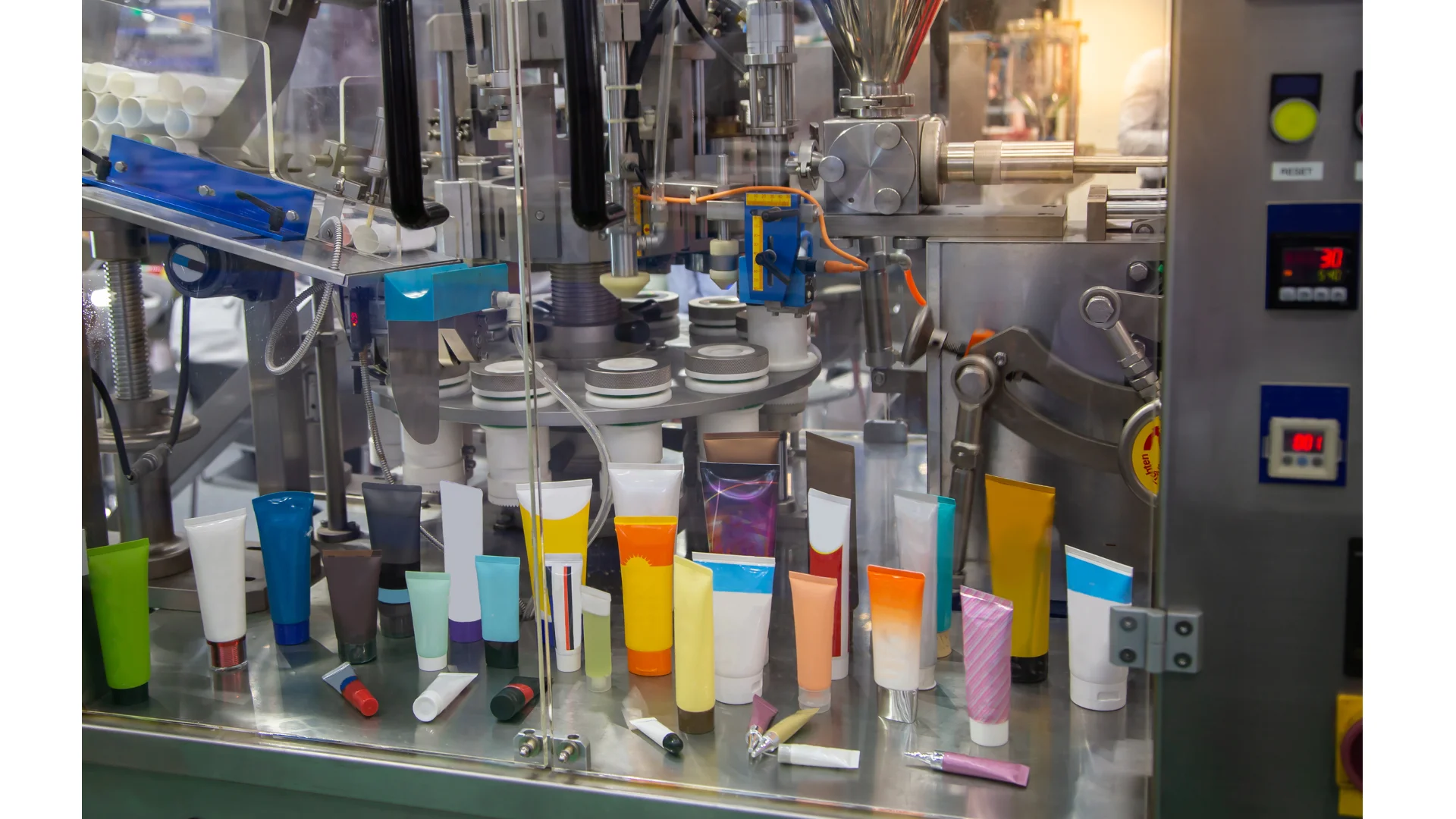
Private label manufacturing gives brands the agility and support they need to stay competitive without getting bogged down in long product development cycles.
Here are the key advantages:
Speed to Market
Private label manufacturers already have tested formulations and production lines in place. This means you can launch a trend-driven product in weeks instead of months or years.Access to Trend-Ready Formulas
Manufacturers track global beauty trends and prepare innovative bases—like clean beauty, hybrid skincare-makeup, or vegan products—that you can customize quickly.Cost Efficiency with Lower Risk
Instead of investing heavily in labs, R&D, and regulatory testing, you leverage proven formulations, reducing financial risk while keeping prices competitive.Built-In Compliance & Quality
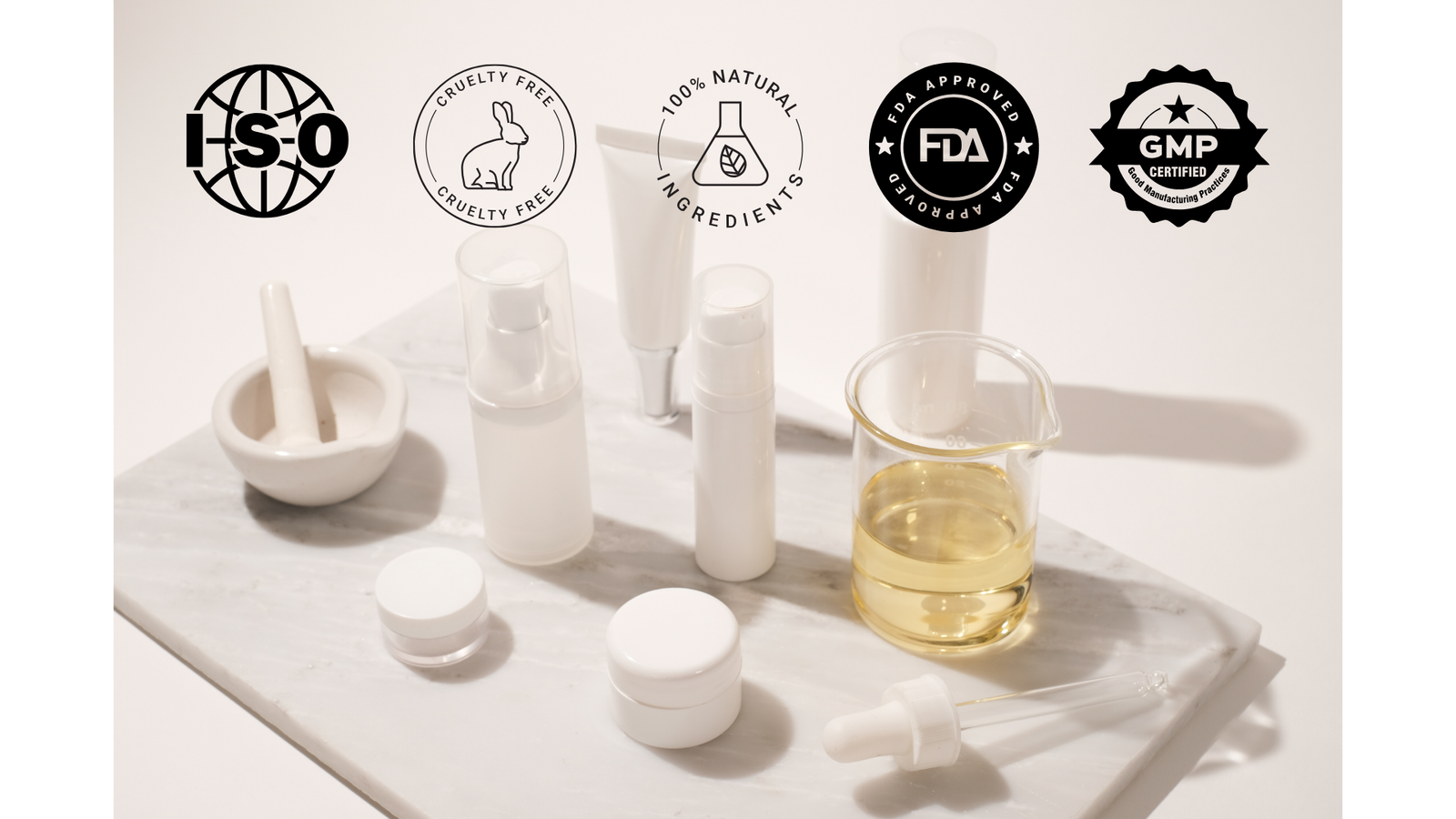
Private label partners ensure your products meet international safety and regulatory standards, so you can confidently introduce trend-driven products without compliance delays.Scalability & Flexibility
Whether you want to test a limited run of a trendy lip oil or scale up a viral foundation shade, private label makes it easy to start small and expand quickly.Focus on Brand Growth
With the manufacturing and compliance handled, you can focus on what really drives success—marketing, customer experience, and building a community around your brand.
A Step-by-Step Guide to Launching a Trend-Driven Product
Step 1: Identify a Sustainable Trend
Look for long-term value trends over short-lived fads. Clean beauty, sustainability, holistic wellness, and personalized care are here to stay [5]. Use tools like Trendalytics or Mintel to validate your idea with data.
Step 2: Partner with the Right Manufacturer
This is your most critical decision. The right partner acts as an extension of your team. Look for a manufacturer with:
A diverse library of pre-developed, trend-ready formulations.
Strong R&D capability for customizing formulas.
Transparency about ingredient sourcing and compliance (FDA, EU).
Flexible MOQs that won’t strain your startup budget.
Step 3: Customize and Brand Your Product
This is where your vision comes to life. Work with your manufacturer to:
Select a base formula and customize it with unique actives, scents, or textures.
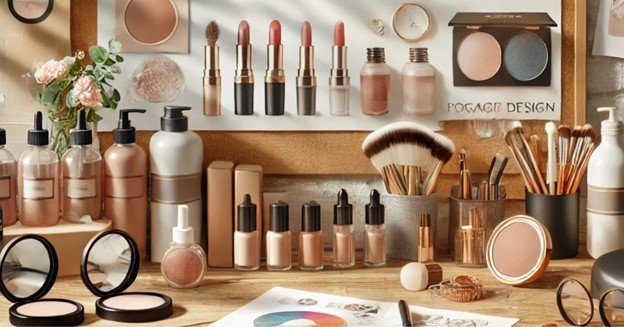
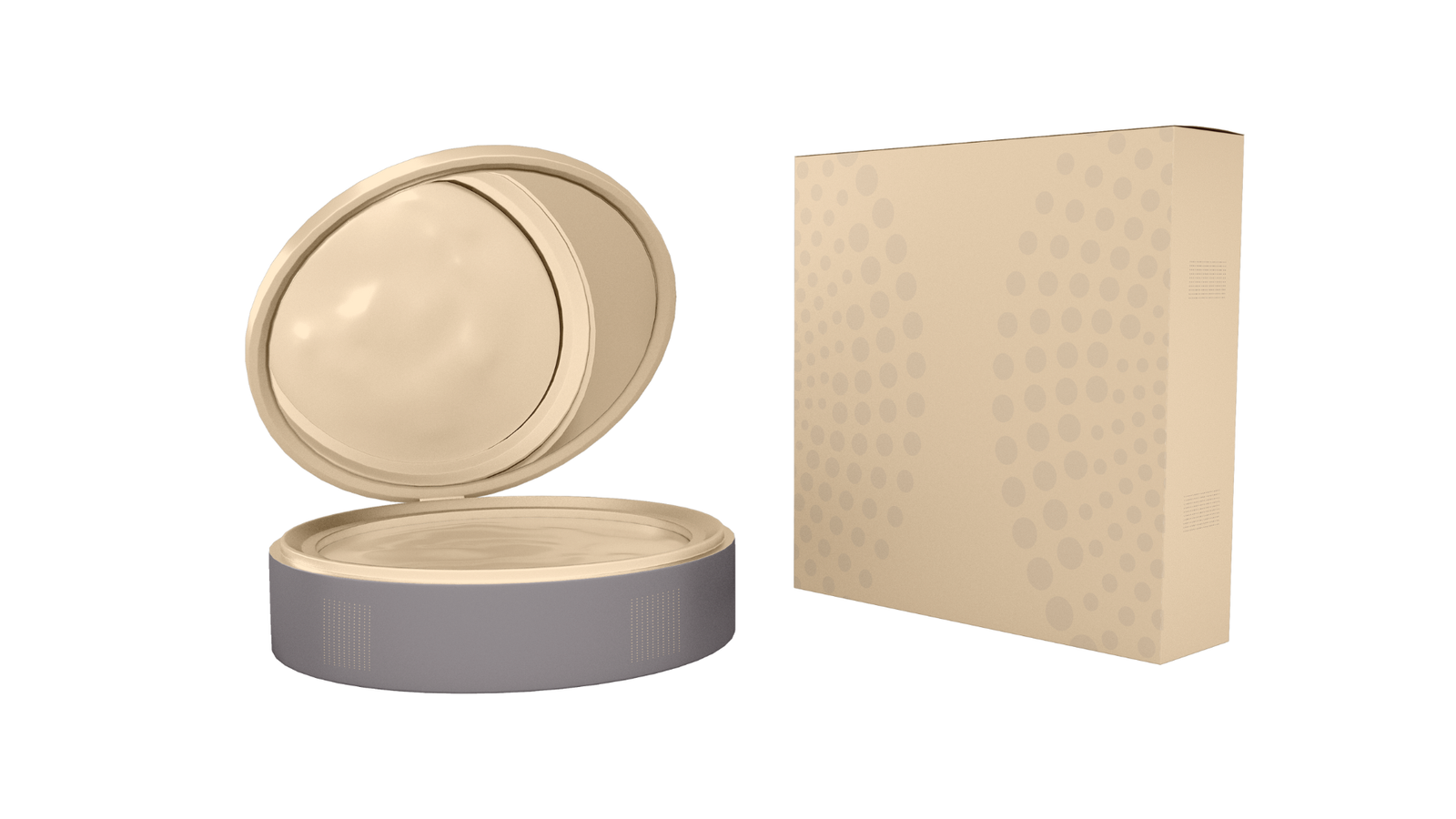
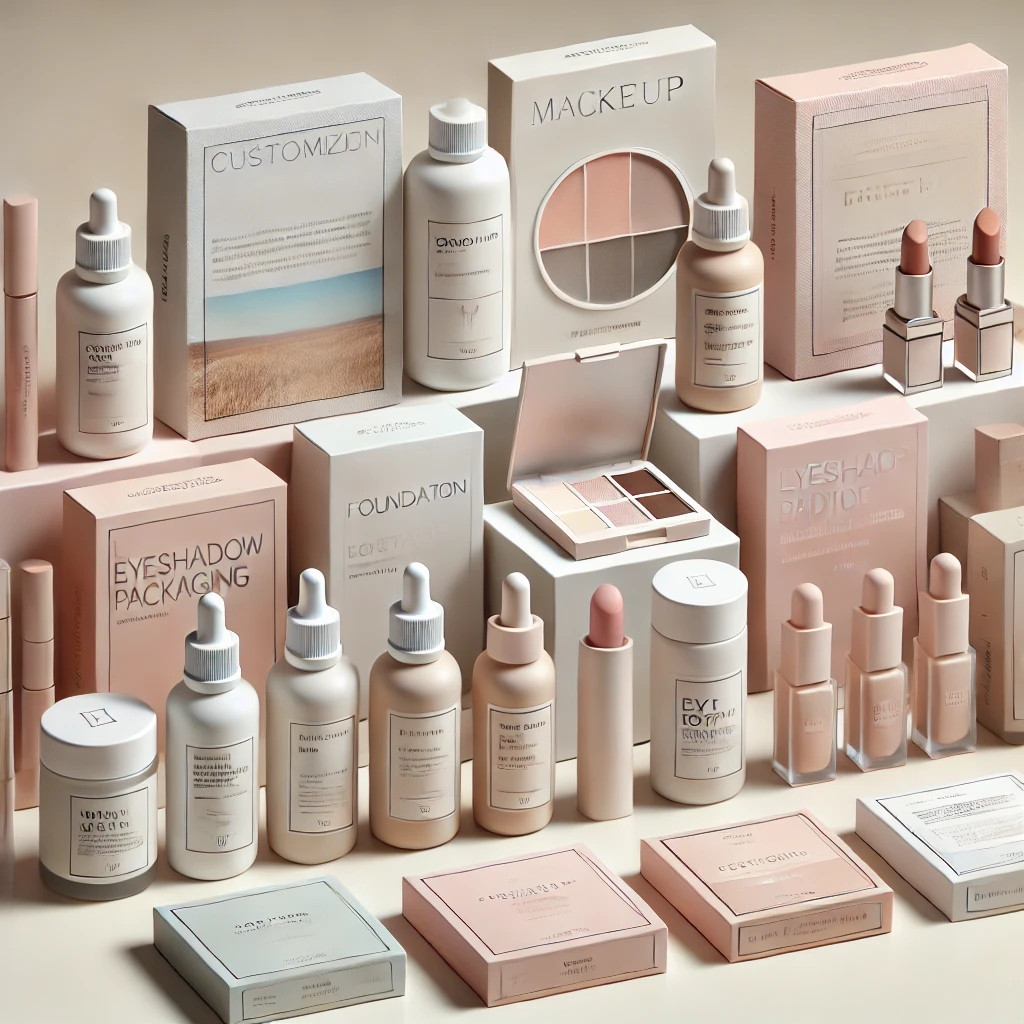
Design packaging that tells your brand story and stands out on the shelf (virtual or physical).
Develop compliant marketing claims based on the formula’s capabilities.
Step 4: Launch and Gather Feedback
Use a focused launch to create buzz. Collect customer feedback relentlessly. This data is gold for informing your next product expansion, creating a virtuous cycle of growth.

How YBS Cosmetics Makes Your Journey Worry-Free
At YBS Cosmetics, we specialize in turning visionary ideas into market-ready products. We remove the complexity so you can focus on growth.
Trend-Focused Formulations: Our catalog is packed with products aligned with current trends, from CBD-infused skincare to waterless beauty bars.
End-to-End Support: We guide you from concept to fulfillment, handling formulation, regulatory compliance, packaging sourcing, and manufacturing.
Claim Validation: We partner with third-party labs to help you conduct clinical trials and generate data to support your marketing claims, building trust and credibility.
Scalability: We offer flexible MOQs perfect for new brands, with the capacity to grow with you into a global name.
Ready to create a product that stands out? Schedule a free consultation with our experts to discuss your product vision.
FAQs: Your Private Label Questions, Answered
Q: What is the typical minimum order quantity (MOQ)?
A: MOQs vary by product type and packaging. Some products can be started with orders as low as 50 units.
Q: Can I create a custom formula, or do I have to choose from existing ones?
A: Most manufacturers offer both options. You can select a pre-existing formula (fastest route) or work with their R&D team to develop a fully custom product from the ground up (requires more time and investment).
Q: How long does the entire private label process take?
A: With a pre-formulated product, you can go from concept to delivered product in as little as 6-8 weeks. Custom formulations require more time for R&D and stability testing, typically 4-6 months.
Q: Who handles regulatory compliance?
A: A reputable manufacturer will ensure your product is formulated to be compliant with regulations in your target market (e.g., FDA, EU). They will provide the necessary documentation, such as Product Information Files (PIFs) for Europe. However, the legal responsibility for compliance ultimately lies with the brand owner.
Q: Can I make my packaging sustainable?
A: Yes. This is a major area of innovation. Manufacturers now offer a wide range of eco-friendly options, from post-consumer recycled (PCR) materials and glass to refillable systems and biodegradable components.
Ready to build the next great beauty brand? Partner with YBS Cosmetics to bring your innovative products to life. Contact us today to get started and download our FREE Beauty Brand Launch Checklist.
YBS Cosmetics is a full-service private label manufacturer specializing in skincare, body care, hair care, and men’s grooming products. With our state-of-the-art R&D lab and manufacturing facility, we help brands of all sizes create innovative, trend-driven products that win in the market. Learn more about our capabilities and our story.
Sources:
[1] The Rise of the ‘Skintellectual’ Consumer
[2] The Skinification of Everything
[3] Beauty Brand Loyalty Drivers
[4] Contract Manufacturing Market Efficiency
[5] Top Beauty Trends to Watch




 3. Inclusivity & Shade Diversity
 How to Choose the Right Manufacturing Partner